Cashback Programs in Virtual Sports Platforms Drive Retention Through Structured Incentives
Written by Jordan Schmitz · Oct 15, 2026
Cashback Programs in Virtual Sports Platforms Drive Retention Through Structured Incentives
Virtual sports platforms have integrated cashback structures as core components of their operational models, and these programs return a percentage of player losses or wagers directly to accounts in the form of bonuses or credits, while data from multiple operators shows measurable shifts in retention metrics such as repeat login rates and average session duration. Platforms typically structure cashback through tiered percentages that increase with volume, fixed weekly caps, or event-specific triggers tied to simulated matches in football, tennis, or horse racing simulations.
Core Elements of Cashback Structures
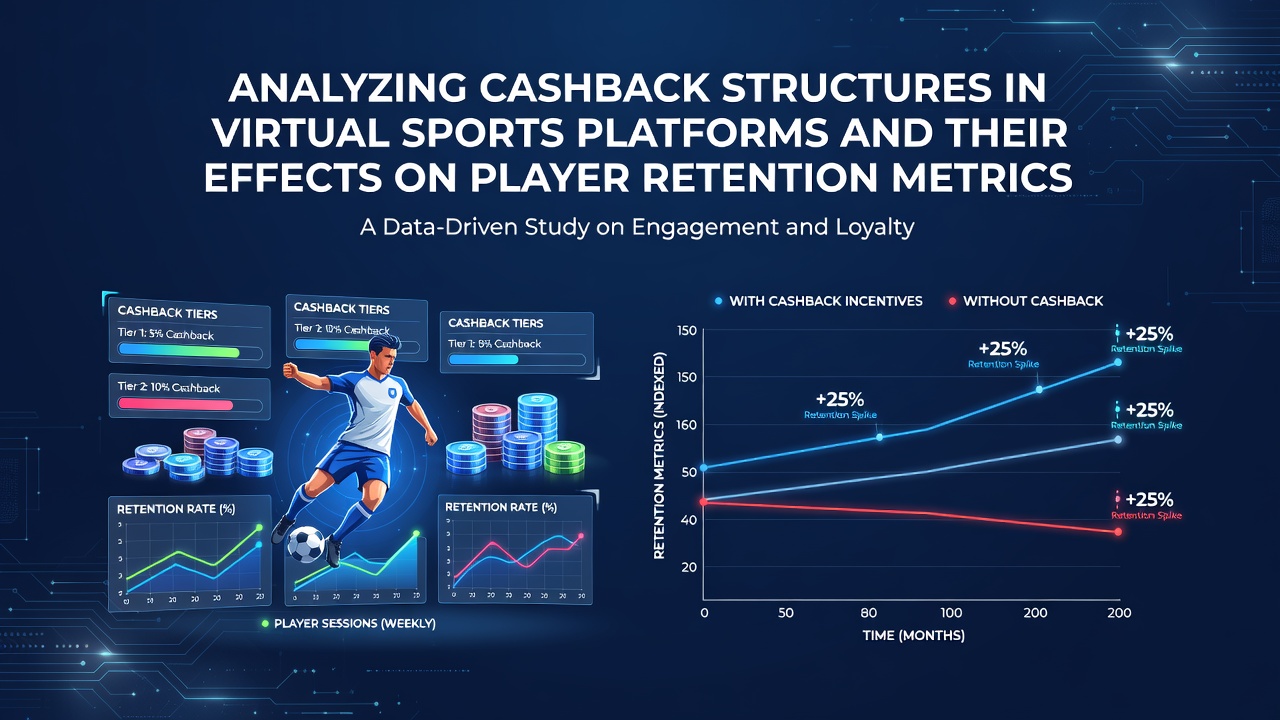
Operators design cashback tiers that start at 5 percent for base users and scale to 15 percent or higher for high-volume participants, and these systems often incorporate weekly or monthly reset periods that encourage consistent engagement to unlock higher rates. Virtual sports differ from traditional betting because events run continuously on automated cycles, which allows cashback calculations to process in real time rather than waiting for live match outcomes. Platforms track eligible wagers through unique identifiers that exclude certain bonus funds, and this separation ensures the cashback applies only to real-money activity.
Research indicates that platforms offering instant cashback credits see faster redemption rates compared to those requiring manual claims, and the difference appears in metrics collected across European and North American operators during 2025 and 2026. In October 2026 several major platforms adjusted their cashback algorithms to include loyalty multipliers based on consecutive active days, and those changes coincided with reported increases in seven-day retention figures.
Retention Metrics and Platform Data Patterns
Player retention metrics include daily active users, churn rates measured at 30 and 90 days, and average revenue per user over time, while cashback programs influence these numbers by reducing perceived loss impact and prompting additional deposits to maintain eligibility. Operators report that users receiving cashback within 24 hours of a loss period demonstrate 18 to 22 percent higher return rates the following week according to internal analytics shared with industry groups. The effect strengthens when cashback combines with other promotions, yet isolated cashback programs still produce measurable lifts in session frequency.
Regional Comparisons and Regulatory Context
Canadian operators regulated by the Alcohol and Gaming Commission of Ontario apply cashback limits that cap weekly returns at fixed amounts, and these caps correlate with steadier retention curves compared to uncapped models used in other jurisdictions. Australian platforms operating under state-based frameworks have introduced mandatory disclosure of cashback terms, and data from those markets shows that transparent structures reduce early-stage churn among new accounts. A study conducted by the Responsible Gambling Council examined retention patterns across multiple virtual sports offerings and found that structured cashback linked to time-on-platform produced longer average player lifecycles than flat-rate returns.
Platforms also segment cashback eligibility by sport category, and virtual horse racing events frequently carry higher percentages because of faster event turnover and higher bet frequency. Those who've analyzed transaction logs note that players engaging with multiple virtual sports categories within a single cashback cycle maintain higher overall retention than single-category users. The pattern holds across both desktop and mobile interfaces, although mobile users redeem cashback credits at slightly higher rates.
Implementation Variations and Player Response
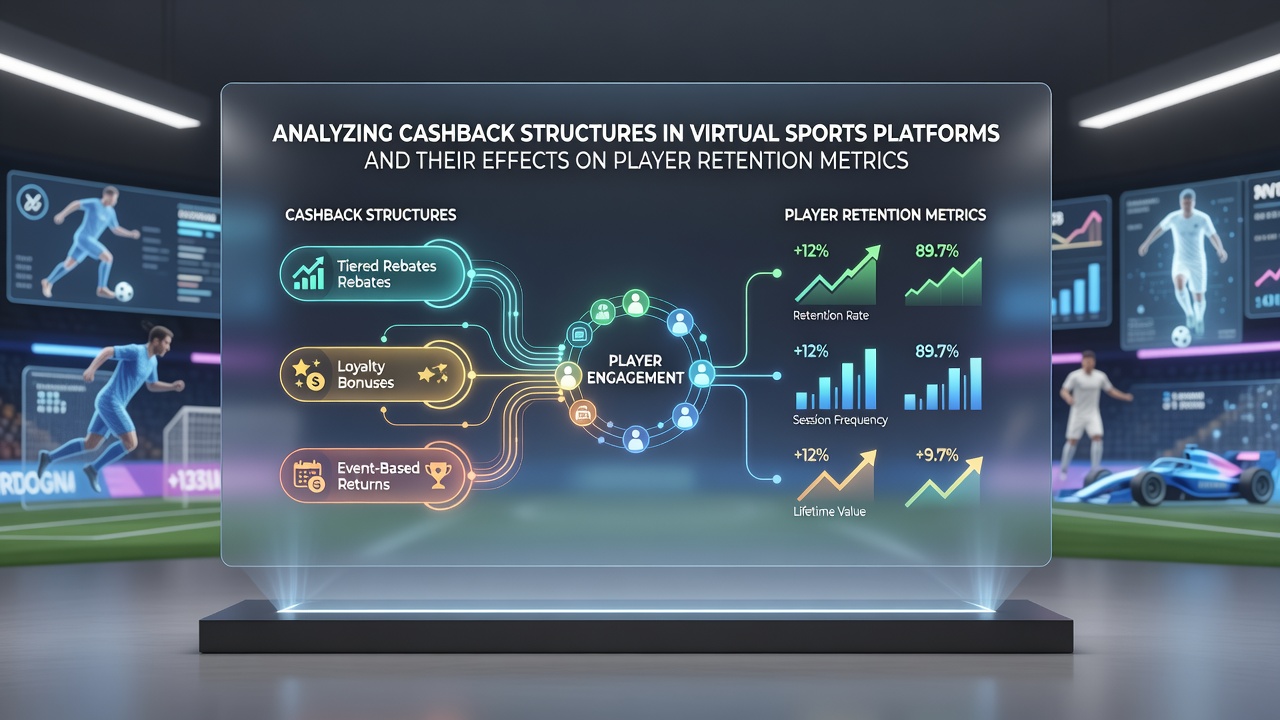
Some operators apply cashback only after a minimum loss threshold, and this approach filters out low-volume players while concentrating retention benefits among those already committed to regular play. Others distribute cashback proportionally across all settled bets regardless of outcome, and this broader model tends to support steadier login patterns among recreational users. Platforms that tested both models in parallel during 2026 recorded distinct retention signatures, with threshold-based systems showing stronger effects on high-value segments and non-threshold systems improving overall user counts.
Industry reports compiled by Gambling Research Australia highlight that virtual sports cashback programs interact differently with player demographics, and younger cohorts respond more strongly to immediate credit applications while older groups show steadier engagement when cashback accrues toward milestone rewards. These variations appear consistently in datasets spanning multiple calendar quarters, including the period leading into October 2026 when several platforms refreshed their virtual sports libraries.
Conclusion
Cashback structures in virtual sports platforms function as retention tools by offsetting losses and creating recurring incentives, and the specific design choices around tiers, timing, and eligibility directly shape the resulting metrics. Data collected across regulated markets demonstrate that instant, transparent cashback systems produce more consistent retention improvements than delayed or restricted alternatives. Platforms continue to refine these models in response to performance indicators, and the ongoing adjustments reflect the measurable connection between cashback mechanics and sustained player activity.