Digital Payment Innovations and Their Links to Betting Volume Changes
Written by Bianca Patterson · Aug 23, 2026
Digital Payment Innovations and Their Links to Betting Volume Changes
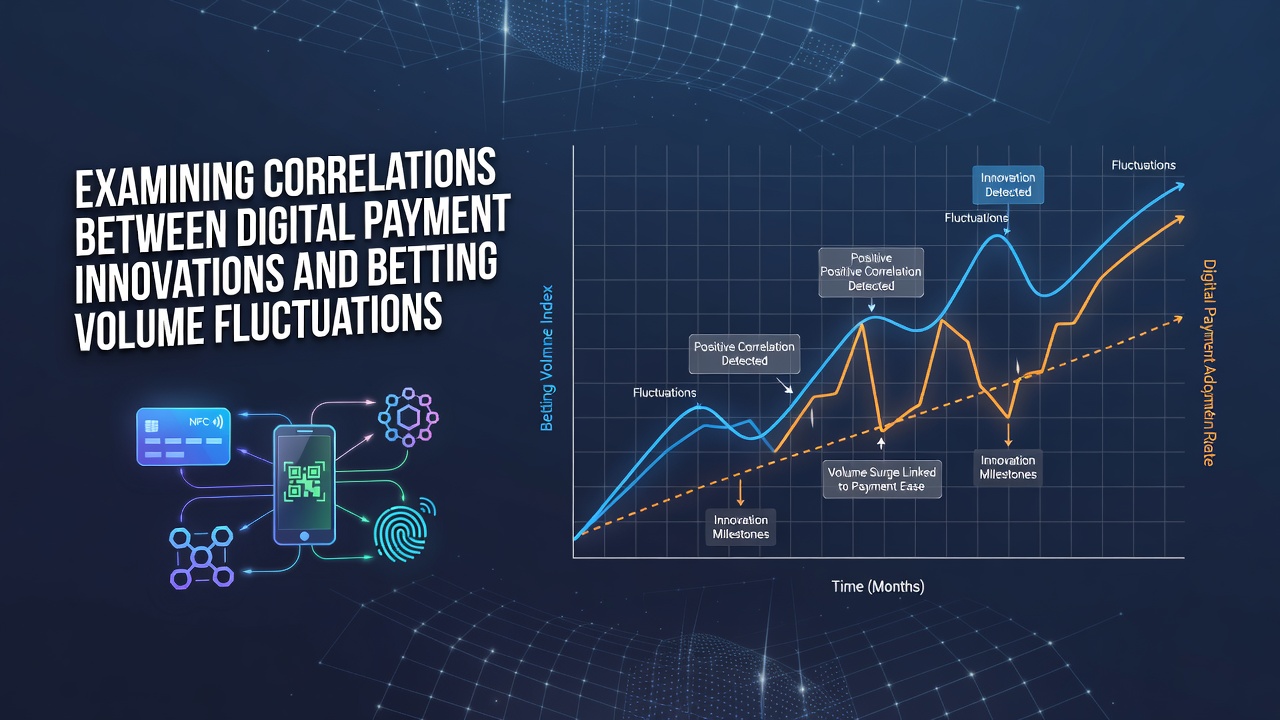
Digital payment systems have expanded rapidly across the betting sector since the early 2020s, with e-wallets, instant bank transfers, and cryptocurrency options appearing on more platforms each year. Observers note that these tools often coincide with shifts in transaction volumes, although establishing direct causation requires careful examination of multiple datasets. Research from regulatory bodies in different regions shows patterns where faster payment processing aligns with increased activity during certain periods, while slower adoption phases correspond to steadier or reduced figures.
Adoption Patterns Across Payment Types
Electronic wallets such as those offered by major providers gained traction in betting markets because they allow near-instant deposits and withdrawals, reducing the friction that once limited repeat transactions. Data compiled by industry analysts indicate that regions with widespread mobile wallet integration saw average daily betting volumes rise by double-digit percentages during peak seasons between 2023 and 2025. Cryptocurrency options followed a similar trajectory after several exchanges partnered with operators, yet volatility in coin values introduced additional fluctuations that researchers continue to track through longitudinal studies.
Bank transfer innovations, including open banking protocols, further streamlined processes by enabling direct account links without card details. Government statistics from Australia reveal that operators adopting these methods recorded higher transaction counts per user in the months following rollout, particularly when events like major sports tournaments drove interest. Those same figures also highlight temporary dips when regulatory updates required enhanced verification steps, illustrating how policy changes can interrupt the momentum created by payment upgrades.
Evidence from Multiple Jurisdictions
Studies conducted by academic teams at institutions such as the University of Nevada, Las Vegas have examined datasets spanning several years to isolate payment-related variables from other influences like marketing or event schedules. Their findings point to moderate positive correlations between the introduction of real-time settlement features and short-term volume increases, while longer-term effects depend on user retention rates and responsible gambling tools. A separate analysis published through Canadian research channels documented comparable trends in provinces where digital payment mandates took effect in 2024, with volume spikes occurring most consistently among younger demographics already comfortable with app-based finance.

European Commission reports on financial technology integration provide additional context by comparing markets with differing levels of payment innovation support. These documents show that jurisdictions encouraging seamless cross-border transfers experienced steadier growth curves, whereas those maintaining stricter barriers saw more pronounced seasonal swings tied to traditional banking cycles. Observers note that August 2026 data from several operators reflected renewed upticks coinciding with new wallet partnerships, although external factors such as tournament schedules remained influential as well.
Challenges in Measuring Direct Correlations
Establishing precise links between payment tools and volume remains complicated by overlapping variables, including promotional bonuses, changes in odds presentation, and broader economic conditions. Researchers emphasize the need for controlled comparisons that hold event calendars constant while varying only payment speed and cost. Industry reports from organizations focused on gaming technology have begun publishing anonymized transaction logs that allow such modeling, yet gaps persist around cryptocurrency usage due to its decentralized nature and limited reporting requirements in some areas.
Payment failures and processing delays also contribute to volume dips that appear in operator records. When systems experience outages, even brief ones, subsequent recovery periods often show compensatory surges as users return with accumulated funds. These patterns, documented in technical reviews from payment gateway providers, underscore the sensitivity of betting activity to infrastructure reliability rather than innovation alone.
Future Monitoring and Data Needs
Regulatory frameworks continue to evolve alongside payment technologies, with authorities in multiple countries requesting more granular reporting on transaction methods to better understand volume drivers. Academic collaborations have proposed standardized metrics that would allow cross-border comparisons without compromising user privacy, and early pilot programs have produced promising initial results. As new features such as embedded finance within betting apps gain ground, ongoing data collection will clarify whether these represent sustained shifts or temporary adjustments in user behavior.
Conclusion
Available evidence connects digital payment innovations to measurable changes in betting volumes across diverse markets, although the strength and duration of those connections vary according to local regulations, user demographics, and external events. Continued analysis through government statistics, academic research, and industry monitoring will refine understanding of these relationships in the years ahead.