Greyhound Racing Punters Shift Strategies with Mobile Apps and Off-Season Cashbacks
Written by Jordan Schmitz · Aug 20, 2026
Greyhound Racing Punters Shift Strategies with Mobile Apps and Off-Season Cashbacks
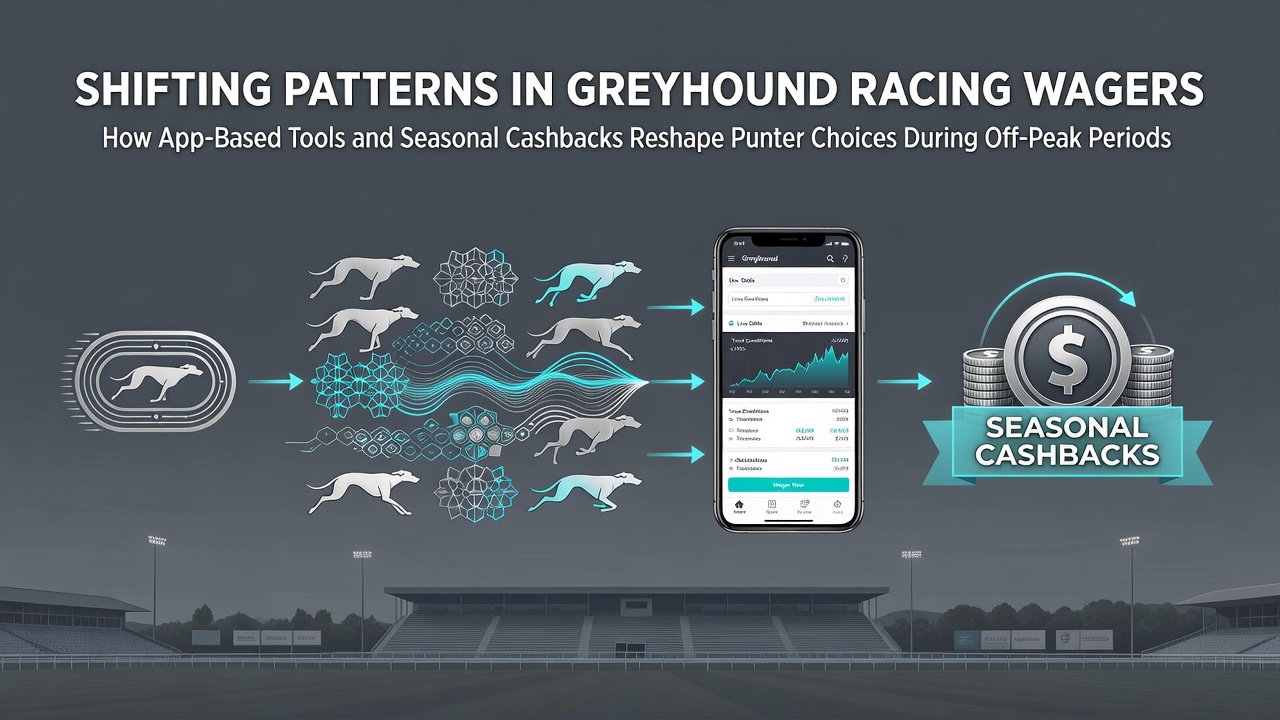
App-based tools have changed how people approach greyhound racing bets, especially when schedules thin out and operators roll out cashback incentives to hold attention. Data from industry reports shows increased downloads of comparison platforms that let users scan odds across multiple sites in real time, while seasonal promotions tied to slower periods encourage continued participation without major events driving volume.
App Features Driving Daily Decisions
Those who follow greyhound racing note that mobile platforms now include live tracking, historical performance filters, and instant payout calculators that simplify choices during August 2026 when fewer meetings occur across UK tracks. Users can set alerts for specific trap numbers or distance preferences, then act on price movements before races start, which reduces the time spent manually checking form guides or waiting for updates from traditional sources.
One study from the New South Wales Greyhound Racing authority revealed that digital tools accounted for over 60 percent of wagers placed on midweek fixtures in recent off-peak windows, as participants combined cashback offers with automated stake suggestions to manage smaller bankrolls more precisely. These functions connect directly to bookmaker accounts, so funds move without leaving the app environment, and seasonal rebates appear automatically after qualifying bets reach set thresholds.
Cashback Structures in Quieter Months
Operators have adjusted promotion calendars to cover stretches like late summer when major festivals finish and regular racing continues at lower intensity. Cashback tiers often range from five to fifteen percent on net losses over a week, with higher rates applied to greyhound markets to maintain liquidity. Participants receive these returns as bonus credits that carry lighter wagering conditions than standard welcome offers, allowing quicker conversion during periods when race cards contain fewer high-profile contests.
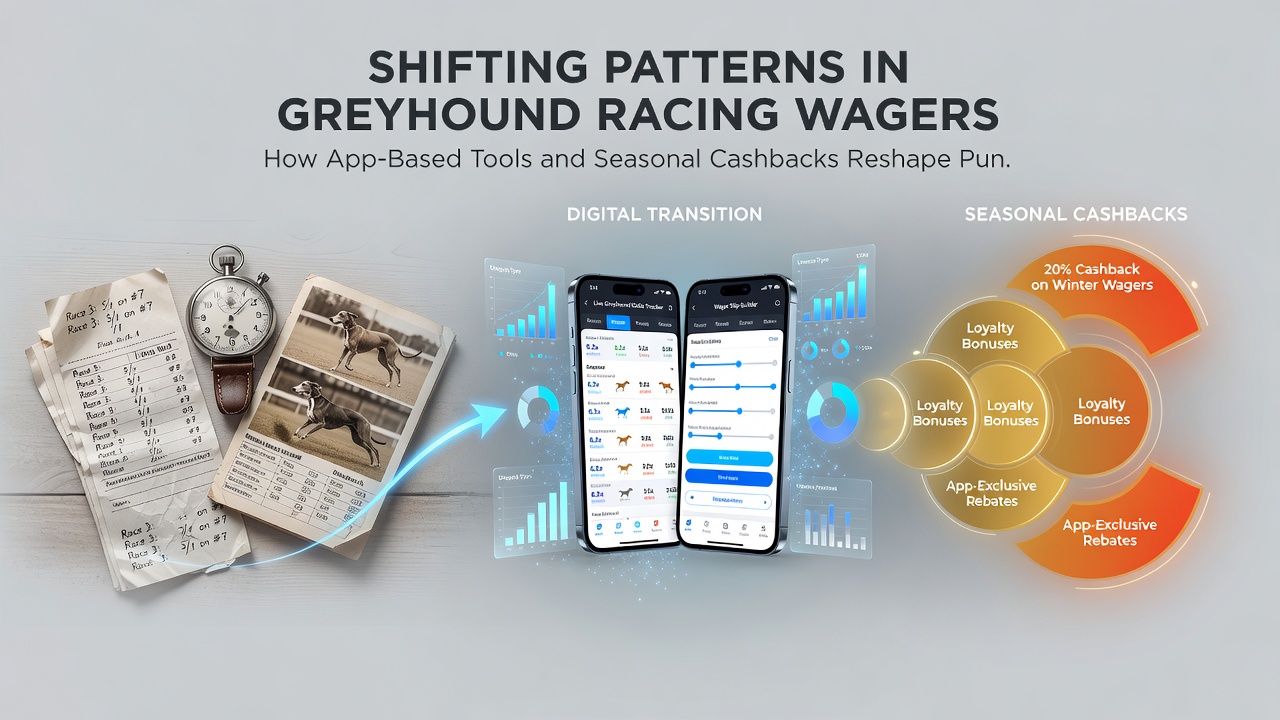
Research from the National Council on Problem Gambling indicates that structured rebates help stabilize activity levels when overall handle drops, because users plan bets around the expected return rather than chasing larger single wins. In practice, this means selecting races with tighter margins where small edges compound across multiple events, then applying the cashback to extend sessions without additional deposits.
Regional Patterns and Tool Adoption
Observers tracking greyhound-specific data across different markets point to higher uptake of multi-bookmaker aggregators in areas with established racing calendars. Australian regulators reported similar shifts in their quarterly summaries, noting that app users placed twenty-two percent more bets per session when cashback mechanics were active compared with non-promotional weeks. The combination lets individuals hedge selections by splitting stakes across platforms offering the best prices on the same race, a tactic that becomes more viable when fewer high-stakes opportunities exist.
During August 2026, several platforms introduced greyhound-focused leaderboards that award extra cashback percentages to top performers based on accuracy rather than volume alone. These rankings update automatically from in-app results, giving participants visible progress markers that encourage consistent engagement even when attendance at tracks remains low.
Conclusion
Patterns in greyhound racing wagers continue to evolve as app tools and targeted cashbacks align with off-peak rhythms. Figures from multiple regulatory and research bodies confirm that participants now distribute activity across digital features and rebate cycles to sustain involvement when traditional peaks subside. This integration of technology and incentives shapes how choices form around available races without altering the underlying mechanics of the sport itself.