Loyalty Systems in Digital Gaming Platforms Shape Long-Term Player Habits
Written by Bianca Patterson · Aug 20, 2026
Loyalty Systems in Digital Gaming Platforms Shape Long-Term Player Habits
Core Components of Gaming Loyalty Programs
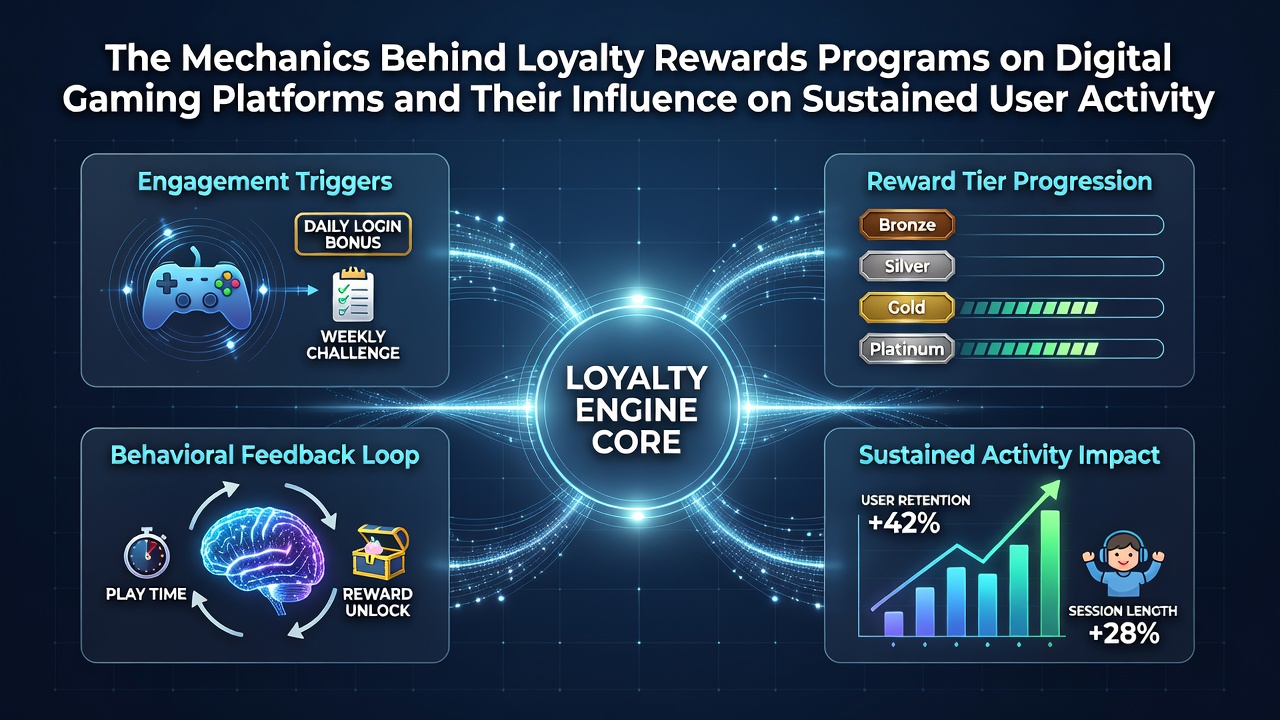
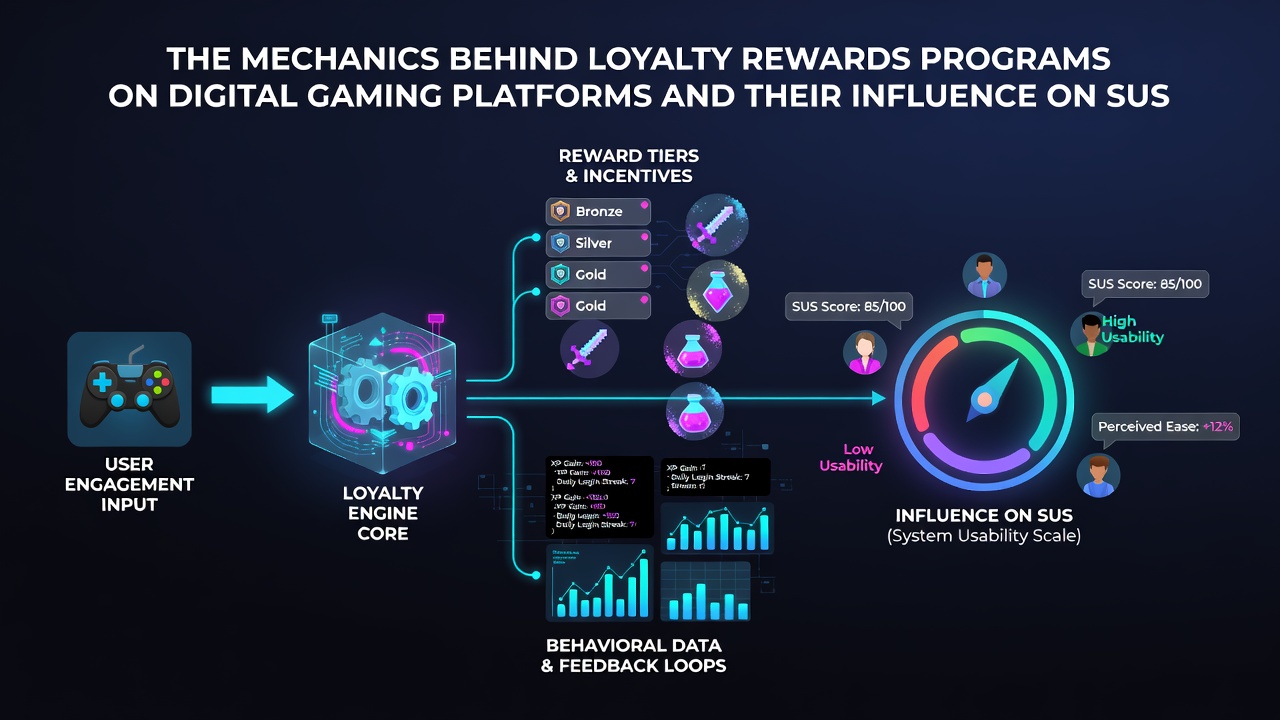
Digital gaming platforms operate loyalty systems built around points accumulation, tiered status levels, and redeemable rewards that encourage repeated logins and extended play sessions, while developers track engagement metrics through backend algorithms that adjust reward frequency based on individual user patterns. These structures often incorporate daily login bonuses, achievement badges, and virtual currency that converts into in-game items or cosmetic upgrades, creating a feedback loop where sustained activity directly unlocks higher-value perks. Platforms like Steam and Xbox Network have refined these mechanics over multiple years, integrating data from millions of accounts to refine point distribution rates and prevent rapid redemption that might reduce overall session lengths.
Points systems function through weighted calculations that factor in playtime duration, game completion rates, and social interactions such as multiplayer participation or community contributions, which researchers have documented in industry reports as key drivers for retention. Status tiers typically progress from basic membership to premium levels that offer exclusive access to beta content or priority customer support, and these advancements require cumulative activity thresholds that reset or carry over depending on the platform's specific policy. Observers note that mobile gaming ecosystems frequently layer streak multipliers onto these frameworks, where consecutive days of activity multiply point earnings, thereby linking calendar consistency to tangible in-game advantages.
Data Patterns Linking Rewards to Activity Levels
Industry analyses reveal that users enrolled in active loyalty programs demonstrate higher average monthly play hours compared to non-participants, with figures from the Entertainment Software Association indicating measurable increases in retention across console and PC segments during 2025. Entertainment Software Association reports highlight how reward redemption events correlate with spikes in subsequent login frequency, suggesting the psychological pull of earned incentives sustains momentum even after initial game novelty fades. Platforms adjust these mechanics seasonally, introducing limited-time events in periods such as August 2026 to align with major title releases and maintain engagement during transitional months between major updates.
Studies from academic institutions in Canada and Australia have examined how personalized reward recommendations, generated via machine learning models, further amplify these effects by matching offers to past behavior patterns, resulting in documented lifts in daily active users. One analysis from a University of Melbourne research paper found that tiered progression systems reduced churn rates by presenting clear milestones that users could track through in-app dashboards. This approach allows platforms to segment audiences, delivering higher-value rewards to high-activity players while using smaller incentives to re-engage lapsed accounts without overextending operational costs.
Implementation Variations Across Regions and Platforms
European Union digital market regulations have prompted platforms to disclose reward probability rates and spending caps within loyalty structures, leading to standardized reporting that clarifies how points convert into value for users across member states. In contrast, North American services emphasize cross-game integration, where progress in one title feeds into broader ecosystem rewards, a method that data from multiple operator filings shows extends average user lifespan on the platform. Asian markets often incorporate social sharing components into loyalty mechanics, allowing players to gift rewards or compete on leaderboards that reset monthly, which sustains community-driven activity spikes throughout the year.
Technical infrastructure supporting these programs relies on real-time analytics engines that monitor session starts, item usage, and social invites to dynamically scale reward offers, preventing saturation that could diminish perceived value. Developers test variations through A/B frameworks, comparing groups exposed to different point multipliers or badge designs to identify configurations that maximize return visits without increasing server load. Such testing has become standard practice as platforms scale to handle hundreds of millions of accounts, ensuring the systems remain responsive while delivering consistent user experiences.
Conclusion
Loyalty reward frameworks on digital gaming platforms continue to evolve through iterative data analysis and regulatory adaptation, with mechanics centered on points, tiers, and personalized incentives directly correlating to extended user activity across global markets. Evidence from industry organizations and academic sources demonstrates these systems influence login consistency and session duration, while regional policy differences shape disclosure requirements and reward transparency. As platforms prepare for upcoming cycles including August 2026 updates, ongoing refinements in algorithm design and cross-platform integration will likely maintain these programs as central tools for sustaining engagement in competitive digital environments.